The Real Truth: Samsung Galaxy S25 Edge or Honor 400?
Introduction
Choosing between two visually appealing and technically capable phones often comes down to priorities rather than raw specifications. The Samsung Galaxy S25 Edge and the Honor 400 represent different philosophies in modern smartphone design: one leans on flagship refinement, ecosystem integration, and long-term support; the other emphasizes strong value, efficient hardware, and competitive everyday features. This article examines how each phone performs in real-world scenarios—photography, gaming, daily productivity, travel, and long-term ownership—and highlights what prospective buyers typically care about when making a decision.
At a glance: positioning and who each phone is for
Samsung Galaxy S25 Edge is positioned as a premium flagship aimed at users who prioritize a top-tier display, advanced camera processing, polished software experience, and longer software support. It appeals to buyers who value longevity, seamless integration with a broader device ecosystem, and premium build quality.
Honor 400 targets the upper-midrange segment where cost-to-feature ratio matters most. It attracts budget-conscious buyers who want fast charging, solid battery life, and capable day-to-day performance without paying flagship prices. Honor’s devices often deliver modern design and competitive cameras for the price, making them attractive for users who prioritize value.
Detailed product analysis
Design and display
The Galaxy S25 Edge continues Samsung's tradition of a curved-edge display that blends into slim bezels and a glass-and-metal frame. In real-world use, the curved edges give an immersive feeling when viewing media, though they can be slightly more prone to accidental touches. For users who consume a lot of video or use split-screen multitasking, the combination of high resolution, high refresh rate, and precise color calibration makes a perceptible difference—content looks vibrant and motion appears smooth.
The Honor 400 typically offers a flat OLED or high-quality IPS panel depending on the model variant, with a focus on brightness and efficient battery usage. The flat screen reduces accidental edge inputs and is often easier to pair with screen protectors. For browsing, social media, and most streaming use cases, the display delivers excellent value, though it may not match the absolute peak brightness or color accuracy of a flagship Samsung display.
Performance and everyday responsiveness
Samsung’s flagship-class silicon and tuned software deliver consistently smooth performance in daily tasks, heavy multitasking, and demanding games. For users who run productivity apps, edit photos on-device, or keep many background apps, the S25 Edge's memory management and sustained performance tend to feel more robust.
Honor 400 typically uses mid-to-upper-tier processors that excel at daily tasks—social apps, email, streaming—but can show limitations under prolonged heavy CPU/GPU load. For casual gamers and typical power users, the Honor provides a satisfying experience at a lower cost, though enthusiasts running extended gaming sessions or heavy computational workloads may notice thermal throttling or frame dips compared to flagship hardware.
Camera experience (real-world use)
Camera systems are often where differences translate into the most noticeable real-world effects. Samsung’s flagship cameras usually combine strong hardware with advanced image processing, delivering cleaner low-light shots, more refined HDR handling, and superior telephoto capabilities for distant subjects. In everyday situations—family events, travel snapshots, low-light indoor scenes—the S25 Edge tends to produce photos that need less post-processing and hold up better for prints or social sharing.
The Honor 400 typically offers a competitive multi-camera setup that excels in good lighting and produces appealing images for social media. Honor’s software processing often boosts color saturation and contrast, which many buyers appreciate. However, in challenging light conditions or for long-range zoom shots, the Honor may fall short of the flagship’s dynamic range and noise control. For buyers who mainly capture daytime outdoor scenes or casual portraits, the Honor delivers excellent value.
Shop the latest Mobile Phones picks on Amazon.
See Deals →Battery life and charging
Battery life in practical terms depends on usage patterns. The Samsung S25 Edge, with its power-efficient display technology and adaptive refresh rates, balances high performance and endurance. For users who toggle between heavy and light usage throughout the day, the S25 Edge typically reaches the evening with moderate to heavy use, and benefits from fast wired and often wireless charging, which can be convenient for travelers.
Honor devices are known for large batteries and very fast wired charging, which is a real-world advantage: a short plug-in session can provide hours of usable screen-on time. For users who prioritize quick top-ups, long days away from outlets, or heavy media consumption, Honor’s charging speed is highly practical. Wireless charging is less commonly emphasized on midrange devices—buyers should check for that specific feature if it matters.
Software, updates, and ecosystem
Samsung has made software longevity a selling point: multi-year Android and security updates, a mature One UI experience, and deep integration with Samsung wearables, tablets, and PCs. For professionals who rely on consistent updates, enterprise features, or device continuity (calls and messages across devices, DeX-like desktop modes), the S25 Edge represents an ecosystem-focused choice.
Honor’s software—often a lightweight custom skin—focuses on performance and feature parity for daily tasks. Update cadence has improved over time, but historically it has lagged behind Samsung’s flagship update commitments. Buyers who intend to keep their device for several years should weigh the trade-off between cost savings and update longevity.
Durability and extras
Flagship devices commonly offer better ingress protection, more durable materials, and extras such as stereo speakers tuned for richer sound, advanced haptics, and additional sensors. For those who travel frequently or need a device that stands up to rougher handling, the Galaxy S25 Edge is usually the safer bet.
Honor phones deliver robust cores but sometimes trade off premium extras to maintain a lower price point. For many users, this is an acceptable compromise; those requiring wireless charging, the highest water resistance ratings, or premium audio may find the S25 Edge more appealing.
Pros & Cons
Samsung Galaxy S25 Edge
- Pros: Industry-leading display quality and brightness; polished camera processing across lighting conditions; longer software update support; premium build and ecosystem features; strong out-of-the-box performance for multitasking and gaming.
- Cons: Higher price point; curved edges can be trickier to protect and may cause accidental touches; flagship-level repairs can be costly.
Honor 400
- Pros: Excellent price-to-performance ratio; fast wired charging and large battery capacity; attractive design and value-oriented feature set; solid camera results in good light.
- Cons: Software update cadence may be shorter than flagships; camera and sustained performance may lag behind the highest-end devices in challenging scenarios; wireless charging and premium extras are less common.
Head-to-head comparison
| Aspect | Samsung Galaxy S25 Edge | Honor 400 |
|---|---|---|
| Positioning | Premium flagship with emphasis on display and camera experience | Upper-midrange/value flagship contender focused on cost-effectiveness |
| Display | Curved high-refresh AMOLED; top-tier color and brightness | Flat OLED/quality panel optimized for efficiency and clarity |
| Build & durability | Premium materials, stronger water/dust resistance, refined finish | Modern design, good materials but fewer premium extras |
| Camera | Advanced processing, better low-light and telephoto performance | Very good in daylight; competitive for social media photography |
| Battery & charging | Balanced endurance with fast wired and wireless charging options | Large battery and very fast wired charging; wireless charging less common |
| Software & updates | Longer update promise, feature-rich One UI, ecosystem services | Lightweight UI, improving updates but generally shorter support window |
| Performance | Flagship-grade sustained performance and thermal management | Strong day-to-day performance; may throttle under prolonged heavy load |
| Price & value | Higher upfront cost justified by features and longevity | Lower price for comparable daily experience—better short-term value |
Buying guide: which phone fits which buyer
Photography enthusiasts
For users who prioritize the camera above other considerations—seeking consistent low-light performance, detailed telephoto captures, and minimal post-processing—Samsung’s flagship approach generally delivers more reliable results. The combination of sensor hardware and computational photography usually yields images that require less manual correction.
Battery-first users and commuters
If daily endurance and rapid top-ups are primary concerns—commuters who need a quick charge between meetings or travelers who value long standby life—the Honor 400’s large battery and very fast wired charging are compelling. The practical benefit of a 30-minute charge that brings the phone back to a comfortable level of use is real in everyday life.
Discover deals on Mobile Phones — updated daily.
Shop Amazon →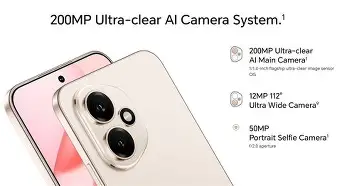
Gamers and power users
For sustained gaming sessions, multi-app workflows, or on-device content creation, the Galaxy S25 Edge’s thermal management and flagship silicon usually translate into smoother performance over time. Users who expect to push their devices should weigh sustained performance over peak benchmark numbers.
Budget-conscious buyers and value seekers
Those aiming to maximize bang-for-buck often find the Honor 400 an attractive choice: it delivers many headline features of higher-tier phones at a lower price. For secondary phones, gift purchases, or users who prioritize immediate value over long-term updates, Honor is a smart contender.
Enterprise users and long-term owners
Buyers planning to keep a phone for several years or those who depend on regular security and OS updates should consider Samsung’s long-term support policies and ecosystem investments. The predictability of updates and broader accessory compatibility are important in enterprise or longevity-focused decisions.
Accessories, protection, and resale
Curved displays and premium finishes can affect accessory availability and resale value. Samsung flagships often retain higher resale prices, which partially offsets the higher initial cost. Honor devices typically have a wide range of third-party cases and protectors due to popularity, but premium accessories like wireless chargers with brand-optimized features may be more common for Samsung.
Practical buying checklist
- Set priorities: Determine whether camera, battery/charging speed, software longevity, or price is most important.
- Try the display in person: Differences in color calibration, brightness, and curved vs flat feel matter in daily use.
- Consider charging habits: If frequent short charges are the norm, prioritize fast-wired charging; if wireless convenience is valued, verify wireless charging support.
- Evaluate ecosystem needs: If connected device features (tablets, wearables, PC continuity) are important, ecosystem integration can be a decisive factor.
- Look at long-term support: Check official update commitments and typical manufacturer behavior for software updates.
- Check local availability and warranty: Service coverage, repair costs, and local compatibility (bands and carriers) affect ownership experience.
Conclusion
Both the Samsung Galaxy S25 Edge and the Honor 400 serve clear, overlapping audiences with different priorities. The S25 Edge is the pick for buyers who want a premium display, superior low-light photography, and a device that is likely to remain supported and relevant for several years. The Honor 400 makes a persuasive case for users focused on immediate value, fast charging, and solid everyday performance at a significantly lower price point.
Ultimately, the right choice depends on realistic use cases: a professional who relies on a phone as a daily productivity tool and camera will appreciate the S25 Edge’s advantages, while a user seeking an excellent daily driver with strong battery life and competitive features will find the Honor 400 compelling. Both phones represent strong options within their market niches—decision-making comes down to which trade-offs align best with the buyer’s priorities and typical daily scenarios.