The Ultimate Setup Guide for Your Tempur Pedic Tempur Neck Pillow
Quality sleep is often viewed as the cornerstone of human productivity and health, yet millions of individuals struggle with neck pain, stiffness, and restless nights due to improper cervical support. The Tempur-Pedic Tempur-Neck Pillow represents a significant departure from traditional down or fiber-fill pillows. It is a precision-engineered orthopedic tool designed to align the spine and cradle the natural curvature of the neck. However, unlike a standard pillow that one simply tosses onto a bed, this ergonomic accessory requires a specific understanding of sizing, orientation, and "break-in" protocols to achieve its maximum potential. This guide provides a comprehensive analysis of the setup process and long-term maintenance of the Tempur-Neck Pillow, ensuring that users transition from restless nights to restorative slumber.
Understanding the Ergonomic Engineering
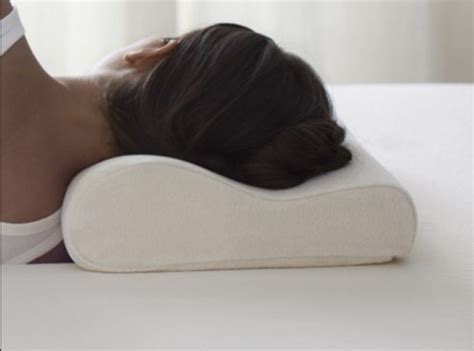
To set up the Tempur-Neck Pillow correctly, one must first understand the "whys" behind its unique shape. This is a contoured pillow, characterized by a dual-hump design with a central depression. This shape is not aesthetic; it is functional. The higher of the two rounded edges is intended to fill the gap between the head and the shoulder, supporting the hollow of the neck. The central depression holds the head in a neutral position, preventing the chin from dropping too far toward the chest or the forehead from tilting too far back.
The material itself, proprietary TEMPUR material, is a high-density, temperature-sensitive visco-elastic foam. Unlike generic memory foam, which often feels "springy" or collapses under heat, TEMPUR material responds to the specific weight and warmth of the human body. As the user lies down, the foam softens in response to body heat, allowing it to flow around the contours of the neck while maintaining a firm structural base. This "slow-springback" characteristic is vital for pressure relief, as it distributes weight evenly across the surface rather than concentrating it on the bony protrusions of the cervical vertebrae.
Product Analysis: Why the Tempur-Neck Pillow Stands Out
While many pillows claim to be orthopedic, the Tempur-Neck Pillow distinguishes itself through its firmness and its variety of available sizes. Most conventional pillows are "one size fits all," which is a biological impossibility given the diversity of shoulder widths and neck lengths. Tempur-Pedic addresses this by offering the Neck Pillow in Small, Medium, and Large profiles. This allows the user to select the specific height (loft) that corresponds to their body frame.
The primary benefit of this pillow is the stabilization of the cervical spine. For side sleepers, it fills the large void between the ear and the mattress. For back sleepers, it provides a consistent bolster under the neck that prevents the flattening of the natural C-curve of the spine. The firmness of the TEMPUR material ensures that once the user finds a comfortable position, the material does not "bottom out" during the night, a common failure of cheaper foam alternatives. This consistency is why the pillow is frequently recommended by physical therapists and chiropractors for patients recovering from neck strain or suffering from chronic tension headaches.
Step-by-Step Setup and Optimization
1. Identifying the Correct Orientation
The most common mistake new users make is placing the pillow upside down or backward. The Tempur-Neck Pillow is asymmetrical. To set it up correctly, place the pillow on the mattress so that the larger, higher contour is positioned toward the foot of the bed. When the user lies down, this higher edge should be tucked snugly against the tops of the shoulders. The head should rest in the center of the pillow, in the lower valley. If the lower contour is placed against the shoulders, the neck will not receive adequate support, leading to the very stiffness the pillow is designed to prevent.
Find top-rated Electronics products at great prices.
See Deals →2. The Temperature Calibration
Because TEMPUR material is temperature-sensitive, the ambient environment of the bedroom plays a role in the initial setup. In a cold room (below 65 degrees Fahrenheit), the pillow will feel significantly firmer, almost like a block of wood. In a very warm room, it may feel softer than intended. For the best initial experience, ensure the room is at a standard "sleep temperature" between 68 and 72 degrees. Upon lying down, give the pillow approximately 60 to 90 seconds to react to body heat. The "setup" isn't complete until the foam has transitioned from its resting state to its contoured state.
3. Managing the "Break-In" Period
New owners often find the pillow uncomfortably firm during the first few nights. This is normal. The cells within the TEMPUR material are tightly packed and need to be "opened" through use. To accelerate the setup process, some users choose to gently apply pressure with their hands across the surface of the pillow for a few minutes each day, or simply persist through the first two weeks of use. Once broken in, the material becomes more responsive and "learned" to the user's specific movements.
Pros and Cons of the Tempur-Neck Pillow
- Pro: Corrects Spinal Alignment – The contoured design is specifically engineered to keep the neck and head in a neutral line with the spine, reducing muscular strain.
- Pro: Heavy-Duty Durability – Unlike polyester or down pillows that flatten within months, the high-density foam of the Tempur-Neck Pillow often maintains its shape for many years.
- Pro: Hypoallergenic Cover – The pillow comes with a removable, washable cover that acts as a barrier against dust mites and allergens, which is essential for long-term respiratory health.
- Pro: Variety of Sizes – The availability of different lofts ensures that individuals ranging from petite frames to broad-shouldered individuals can find a customized fit.
- Con: Initial Firmness – The dense material can be jarring for those used to soft, plush pillows, requiring a significant adjustment period.
- Con: Heat Retention – Because the foam is dense and responds to heat, it may feel warm for individuals who are "hot sleepers," despite the breathable cover.
- Con: Lack of Versatility – This pillow is strictly designed for back and side sleepers; stomach sleepers will likely find the contours uncomfortable or even restrictive.
Sizing Comparison Table
Choosing the right size is the most critical part of the setup. A pillow that is too high will tilt the head forward, while a pillow that is too low will not provide enough bolster. The following table provides a general guideline based on shoulder measurements and sleeping positions.
| Pillow Size | Dimensions (Approximate) | Best For (Body Type) | Best For (Position) |
|---|---|---|---|
| Small | 20" x 12.5" x 3" | Petite frames / Children / Narrow shoulders | Back sleepers / Side sleepers with narrow frames |
| Medium | 20" x 12" x 4" | Average adult frames / Standard shoulder width | Universal back and side support |
| Large | 20" x 12" x 4.75" | Broad shoulders / Large frames | Side sleepers requiring maximum loft |
Buying Guide: Selecting the Right Profile
When purchasing the Tempur-Neck Pillow, consumers should evaluate two primary factors: shoulder-to-neck distance and mattress firmness. If you have a very soft mattress, your body will sink deeper into the bed, meaning you may need a lower profile pillow (Small or Medium) because the distance between your head and the mattress surface is reduced. Conversely, if you sleep on a very firm mattress, your shoulders will stay on top of the surface, necessitating a higher profile (Medium or Large) to fill the larger gap.
To measure yourself for the ideal setup, stand against a wall in your typical sleeping posture. Have someone measure the distance from the base of your neck to the outside edge of your shoulder. If that measurement is under 4 inches, the Small is usually best; 4 to 6 inches typically requires a Medium; and over 6 inches warrants a Large. Remember that the goal is a perfectly horizontal line from the center of the nose to the naval when lying on your side.
Real-World Use Cases and Maintenance
Many users buy the Tempur-Neck Pillow to address specific medical or lifestyle concerns. For example, individuals suffering from "Tech Neck"—the strain caused by looking down at screens all day—find that the reverse stretch provided by the pillow's contour helps reset their posture overnight. Others who suffer from sleep apnea find that the stable head position helps keep airways more open compared to pillows that allow the head to sink and the neck to crimp.
Find top-rated Electronics products at great prices.
See Deals →Maintenance is a vital part of the "Ultimate Setup." It is important to note that the TEMPUR foam itself should never be submerged in water. Getting the foam wet can damage the cell structure and void the warranty. Instead, focus on the removable cover. Washing the cover in cold water and air-drying it (to prevent shrinkage) will keep the setup fresh. For the foam itself, occasional "airing out" by removing the cover and letting the pillow sit in a well-ventilated room can help dissipate any "new foam smell" that sometimes accompanies the product upon unboxing.
Advanced Tips for a Better Sleep Experience
If you find that the pillow feels a bit too firm even after the break-in period, consider the type of pillowcase you are using. A thick, flannel pillowcase can interfere with the heat-sensing capabilities of the TEMPUR material, preventing it from softening properly. A thin, breathable cotton or silk pillowcase is preferable as it allows body heat to transfer more efficiently to the foam. Furthermore, ensure your pillowcase is large enough; a case that is too tight can "compress" the pillow, making it feel harder than it actually is.
For side sleepers, the setup can be enhanced by using a secondary, traditional pillow between the knees. Because the Tempur-Neck Pillow does such a good job of aligning the upper spine, aligning the lower spine with a knee pillow creates a total-body ergonomic solution. This prevents the hips from rotating and pulling on the lower back, which can otherwise cause the user to shift out of the ideal neck position provided by the Tempur-Pedic.
Conclusion
The Tempur-Pedic Tempur-Neck Pillow is more than just a place to rest your head; it is a specialized orthopedic instrument that requires intentional setup and adaptation. By selecting the correct size based on your shoulder width and mattress firmness, orienting the higher contour toward your shoulders, and allowing for a patient break-in period, you can effectively neutralize neck pain and improve sleep quality. While the transition from traditional pillows to high-density contoured foam can take time, the long-term benefits of proper spinal alignment and pressure relief make the Tempur-Neck Pillow an essential investment for anyone serious about their sleep hygiene. Consistent maintenance and proper environmental calibration will ensure that this pillow remains a cornerstone of your bedroom setup for years to come.